
Current Affairs MCQs with Answers for CSS & PPSC
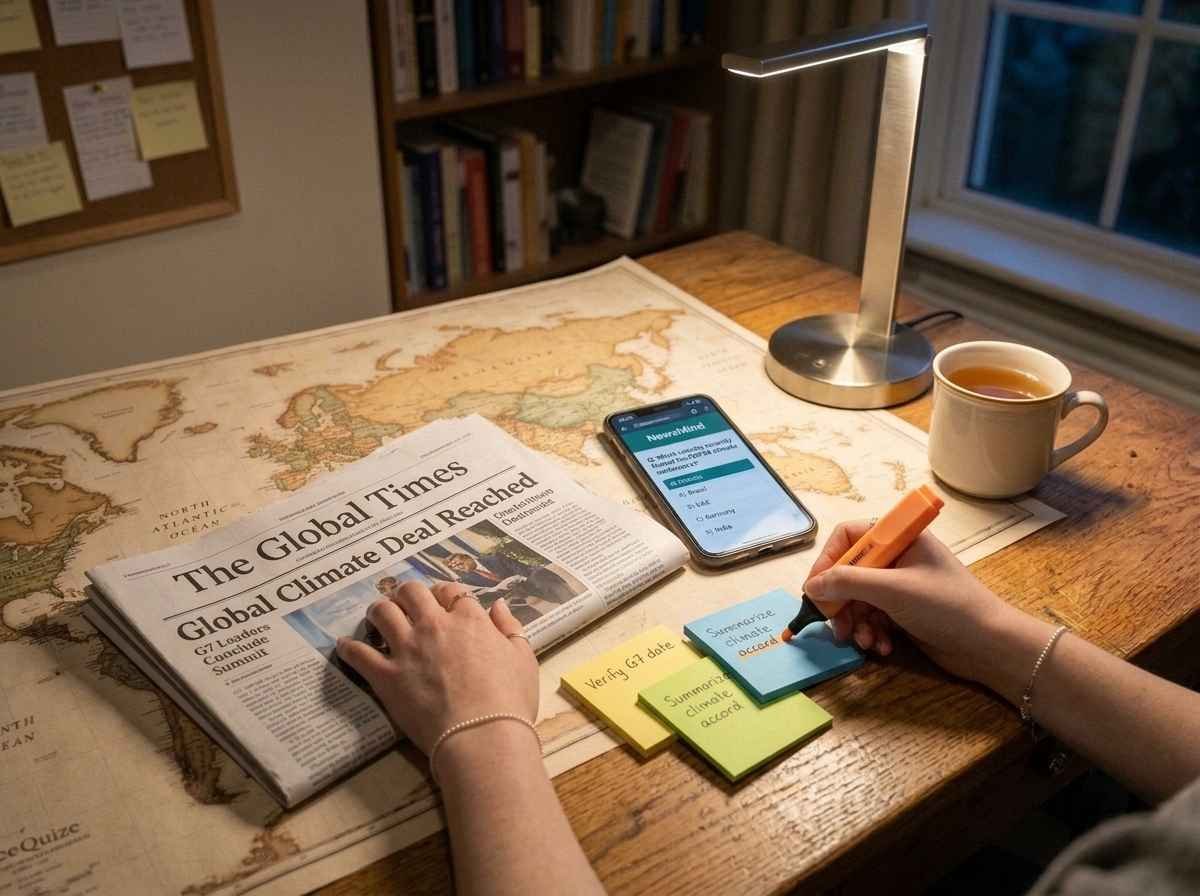
Current Affairs is one of the most dynamic and decisive portions in Pakistani competitive exams. In CSS, PMS, PPSC, FPSC, and NTS, it separates well-prepared candidates from the rest, because it demands that you stay genuinely informed rather than relying on a fixed textbook. This guide explains how to prepare for it without drowning in headlines.
Why Current Affairs is different
Unlike history or science, Current Affairs changes constantly. The facts you need this month may differ from last month, which is exactly why many candidates struggle with it. The solution is not to memorize everything, but to follow the news consistently and revise the most exam-relevant developments regularly.
What to focus on
- National affairs: major government decisions, appointments, economic developments, and key policies.
- International affairs: global summits, conflicts, treaties, and organizations.
- Pakistan and the world: foreign relations, agreements, and regional developments.
- Economy and development: budgets, major projects, and international rankings.
- Sports, awards, and appointments: frequently tested one-line facts.
Focus on developments that have lasting significance, not fleeting daily headlines. Examiners tend to test events that shape policy and international relations.
How to keep up without burning out
Trying to memorize every news item is exhausting and ineffective. Instead, read a reliable news source daily, note the important developments in a single notebook, and revise that notebook weekly. This keeps your preparation focused and manageable. A short monthly summary of key events is far more useful than a mountain of scattered notes.
Test yourself regularly
Because Current Affairs is fact-based, the fastest way to retain it is repeated self-testing. Our interactive MCQ test series lets you practice questions, get instant feedback, and track your improvement. Regular quizzing turns passive news reading into active, exam-ready knowledge.
We also refresh our Current Affairs content regularly, so returning each month keeps your preparation aligned with the latest developments, which is exactly how examiners expect you to stay current.
Combine it with related subjects
Current Affairs overlaps heavily with Pakistan Affairs and General Knowledge. Studying them together saves time and builds a fuller picture. Use our Pakistan Affairs MCQs and General Knowledge MCQs guides alongside this one, and find full commission papers in our past papers hub.
Mistakes to avoid
The biggest error is cramming Current Affairs at the last minute, which never works because the volume is too large. The second is following news passively without ever testing recall. Consistent daily reading plus weekly quizzing solves both.
How many questions to expect
Current Affairs can be decisive in competitive exams, and the candidates who prepare consistently gain a clear edge. Because the material is constantly updated, the key is regular reading plus frequent testing rather than a single burst of study. Treat it as a year-round habit, not a final-week task.
Frequently asked questions
How far back should current affairs go?
Focus mainly on developments from the last several months, with attention to events of lasting significance. Examiners favour developments that shape policy and international relations over fleeting headlines.
How do I avoid feeling overwhelmed?
Keep one notebook of important developments, revise it weekly, and test yourself often. A short monthly summary is far more useful than a mountain of scattered notes.
Is your content updated?
Yes. We refresh our Current Affairs material regularly, so returning each month keeps your practice aligned with the latest developments.
Turn daily news into exam-ready notes
The candidates who master Current Affairs are not the ones who read the most, but the ones who organise what they read. Each day, pull out the two or three developments that genuinely matter and record them in a single running notebook. At the end of the month, condense that notebook into a short summary of the events most likely to be tested. This habit keeps a fast-moving subject under control.
Then close the loop with testing. Attempt questions on what you have noted, and revisit anything you get wrong. This converts scattered headlines into firm, retrievable knowledge. Pair the habit with our regularly updated practice test, and cross-check facts against our General Knowledge MCQs guide for a fuller picture.
Which sources should I follow?
Stick to one or two reliable national news outlets rather than scattering your attention across many. Depth and consistency matter more than volume. Add a monthly current-affairs digest to catch anything you missed, and test yourself on it with our practice quizzes to lock the facts in.
Start staying current today
Current Affairs rewards discipline more than talent. Read a little every day, revise weekly, and test yourself often. Open the Current Affairs test now, attempt your first set, and build the habit that keeps you exam-ready all year round. Consistent daily reading, weekly revision, and frequent self-testing are the three habits that reliably turn Current Affairs from a weakness into one of your strongest sections over time.
